
Old School Music
Two Chords Played by Accident Made This a No. 1 Hit
Two Chords Played by Accident Made This a No. 1 Hit
Before he was a rock and roll star, Charles Westover sold carpets in Battle Creek, Michigan, and drove a truck for a furniture factory. At night he played with his band at a small club called the Hi-Lo. On stage he used a new name he had invented himself: Del Shannon.
In 1959 he added a keyboard player named Max Crook. Crook was a tinkerer, and he played an instrument nobody else had. He called it the Musitron, a homemade electronic keyboard he had built by modifying an early instrument called a clavioline, with extra parts of his own.
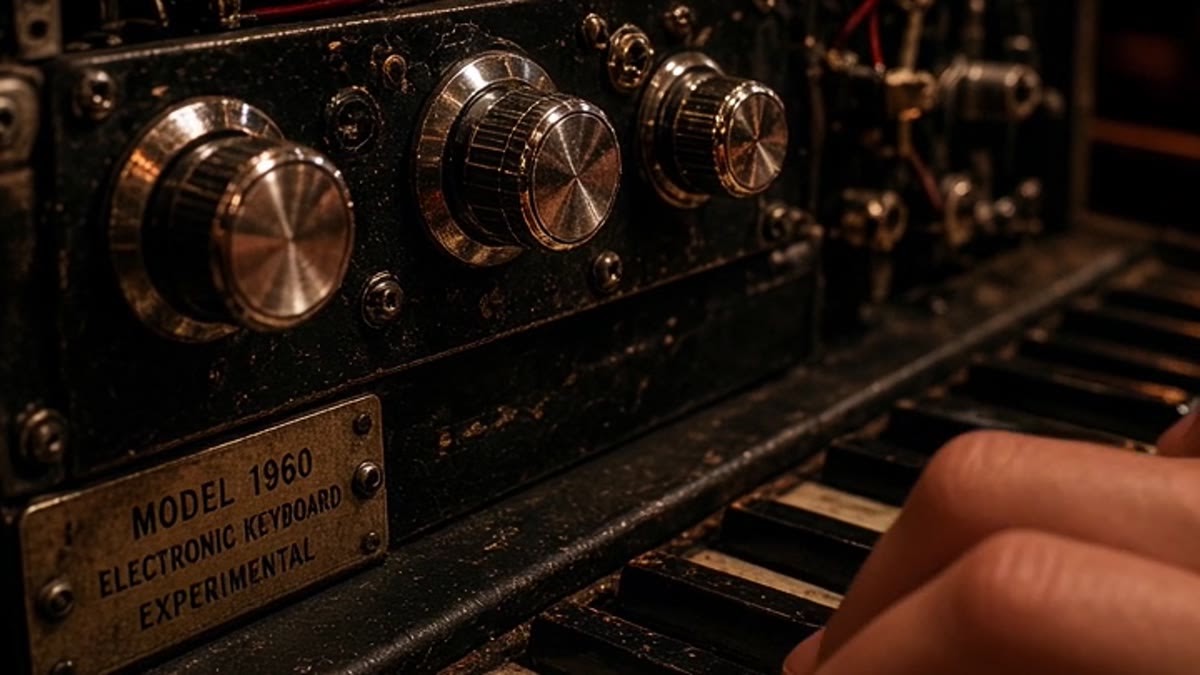
“Play That Again”
One night on stage at the Hi-Lo, Crook hit an unusual change from an A minor chord to a G. Shannon heard it and lit up. As he later remembered, he told Crook to play it again because it was such a great change. The band followed along and kept the groove going.
The next day, the story goes, Shannon worked out lyrics around those chords and called Crook from his day job to tell him he had a song. That night they tried it at the club, and Shannon asked Crook to play a solo on the Musitron in the middle. When he heard it, he knew they had something special.
A Long Drive to New York
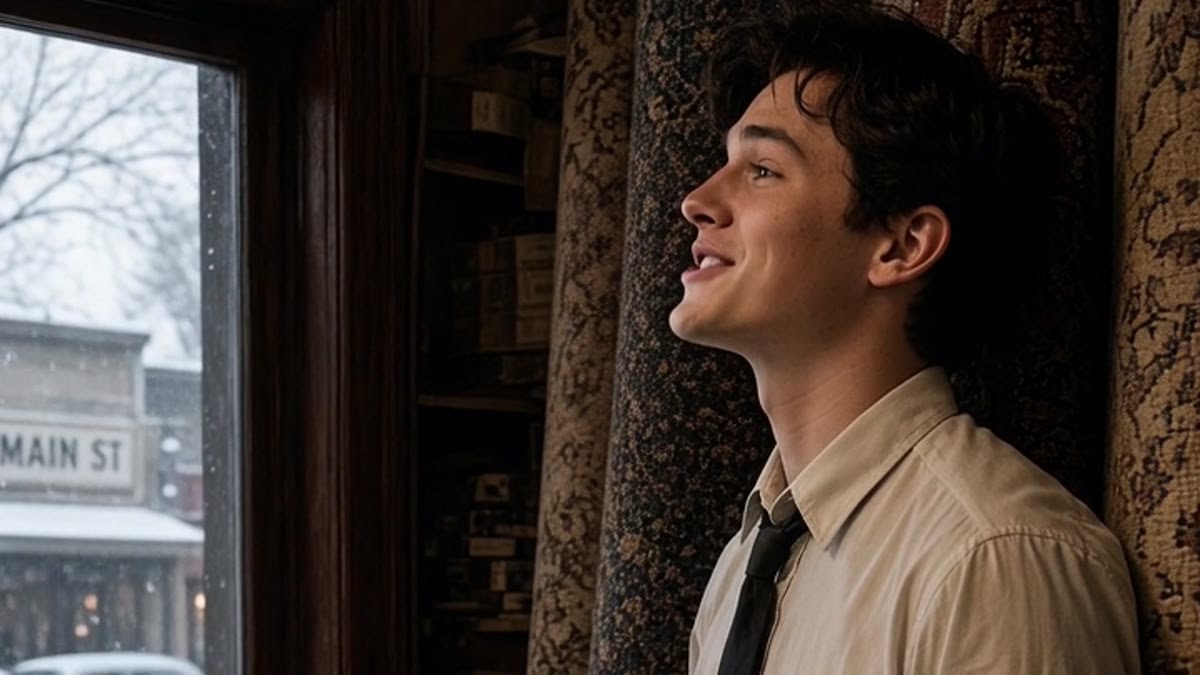
Their manager, Ollie McLaughlin, had already helped them land a deal with a New York label. He encouraged them to rework the tune, and in January 1961 Shannon and Crook drove to New York through freezing weather to record it. The song was “Runaway.”
Released in February 1961, it took off quickly. After Shannon performed it on American Bandstand in April, the record shot to No. 1 on the Billboard Hot 100 and stayed there for four weeks. Two months later it was No. 1 in Britain too.
That eerie, almost space-age solo was played on an instrument built by hand.
Ahead of Its Time
Many listeners had never heard anything like the Musitron. Its high, gliding sound is often pointed to as an early step toward the synthesizer sounds that would fill pop music years later. Crook could not patent it, because most of its parts were existing products, but the sound itself became famous.
Shannon followed with more hits, including “Hats Off to Larry” later that same year. Max Crook kept making music under the name Maximilian, and he died in 2020 at the age of 83. The two chords he stumbled onto that night are still instantly recognizable.
Where were you when you first heard this one on the radio? Tell us in the comments on Facebook. We read every one.
Listen to “Runaway”