
Old School Music
This 1973 Song Reminded Millions That None of Us Are Truly Alone
Released in November 1973, “Piano Man” didn’t become an instant smash, but over time it grew into one of the most beloved songs ever written. Inspired by Billy Joel’s own experiences, it captured the hopes, dreams, and quiet struggles of ordinary people—and became the song that would define his career.
The story began a few years before the song was written.
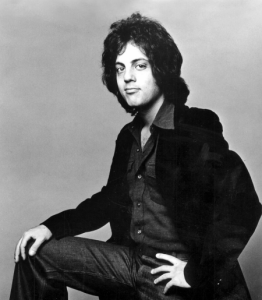
In the early 1970s, Billy Joel found himself trapped in a difficult recording contract that left him frustrated and nearly broke. Wanting a fresh start, he left New York for Los Angeles and took a job performing six nights a week at a small piano bar called The Executive Room. To avoid being recognized by people in the music business, he performed under the name Bill Martin.
Night after night, Billy sat behind the piano entertaining customers while quietly observing the people around him. Bartenders, businessmen, lonely regulars, waitresses, and dreamers all shared their stories with him. Many came looking for companionship, hoping to forget their problems for just a few hours.
Those conversations stayed with him.
When Billy began writing “Piano Man,” he filled the lyrics with real people he had met during those evenings. John at the bar, Paul the real estate novelist, Davy in the Navy, and the waitress practicing politics were all inspired by actual customers and employees. While some names and details were changed, the emotions behind every character came directly from Billy’s memories.
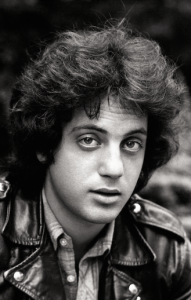
Perhaps the most memorable line in the song is, “They’re sharing a drink they call loneliness, but it’s better than drinking alone.” That single lyric perfectly captured the atmosphere inside the bar—a place where strangers gathered, not because life was perfect, but because they didn’t want to face it by themselves.
Musically, “Piano Man” stood out from other songs of its time. Billy combined gentle piano melodies with folk influences and added a harmonica, giving the song a warm, intimate feeling that made listeners feel as though they were sitting inside the bar themselves. His storytelling style painted vivid pictures, allowing every listener to recognize someone they knew—or even themselves.
When “Piano Man” was released in 1973, it received positive reviews but achieved only modest chart success. It reached the Top 40 in the United States, yet its popularity continued to grow year after year through radio airplay and live performances.
As Billy Joel’s career took off in the late 1970s and 1980s, audiences began requesting “Piano Man” at nearly every concert. It soon became his signature song, with thousands of fans singing every word back to him. Today, it’s almost impossible to imagine a Billy Joel performance without it closing the show.
More than fifty years after its release, “Piano Man” remains one of the greatest storytelling songs in popular music. It reminds us that behind every familiar face is a story waiting to be told, and that sometimes the most unforgettable songs come not from extraordinary moments, but from ordinary people searching for hope. With its timeless melody and heartfelt lyrics, “Piano Man” continues to bring generations together—one chorus at a time.