
Old School Music
They Put This Song on the B-Side—Then It Became an Anthem for Millions
SCROLL DOWN FOR THE FULL SONG
She was recovering from a serious injury when this song came along—and nobody expected it to become one of the most powerful survival anthems in music history.
In 1978, Gloria Gaynor was facing a difficult period in her life.
She had already found success as a disco singer, but a serious back injury had left her physically vulnerable and uncertain about what would happen next. She had to deal with the pain, the recovery, and the pressure of continuing her career in an industry that rarely slowed down for anyone.
But Gaynor wasn’t ready to give up.
Then came a song that would change the way millions of people saw her—and the way they saw themselves.
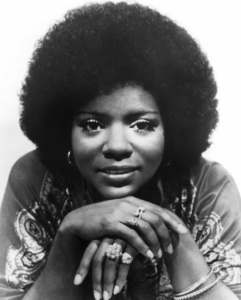
When Life Forces You to Start Again
Gloria Gaynor had spent years working to establish herself as a singer.
She had a powerful voice and a natural presence on stage. Disco was booming, dance floors were packed, and her music had already reached audiences around the world.
But success doesn’t protect anyone from hardship.
Her injury created a difficult period when even ordinary things could become challenging. She had to rebuild her strength and keep moving forward despite the uncertainty.
That experience would later make the message of her most famous song feel especially meaningful.
It wasn’t simply about a relationship ending.
It was about reaching a point where you realize that, no matter how badly someone has hurt you or how difficult life has become, you still have the ability to stand on your own.
A Song Nobody Expected to Become a Phenomenon
The song was written by Freddie Perren and Dino Fekaris.
Its message was straightforward: the narrator has been hurt, but she refuses to remain broken.
She has spent time grieving. She has struggled with loneliness. But eventually, something changes.
She stops waiting for someone else to rescue her.
She realizes she can survive without the person who hurt her.
When Gaynor recorded it, the result was a powerful combination of disco rhythm, emotional lyrics, and a vocal performance that grew more confident as the song unfolded.
But there was a surprising problem.
The record company initially released the song as the B-side of another single, rather than treating it as the main attraction.
Nobody could have predicted what would happen next.
Then the DJs Turned It Around
In the world of vinyl records, the A-side was usually the song the record company wanted people to hear.
The B-side was often the secondary track.
But DJs sometimes discovered something the record companies had overlooked.
As the story goes, club DJs began playing the other side of Gaynor’s record. The response was so strong that the song started gaining momentum of its own.
People wanted to hear it again.
Then again.
The song began spreading from dance floors to radio stations, and its popularity grew beyond what anyone had expected.
The track that hadn’t initially been positioned as the main attraction was becoming the biggest song of Gaynor’s career.
And it wasn’t just another disco hit.
It was becoming something people could connect to on a deeply personal level.
The Song That Gave People Their Strength Back
The magic was in the message.
Gaynor wasn’t singing as someone who had never experienced pain.
She was singing as someone who had been hurt and had decided not to let that pain define the rest of her life.
That distinction mattered.
For someone leaving a bad relationship, the song could feel like a declaration of independence.
For someone rebuilding after a personal setback, it could serve as a reminder that the hardest chapter didn’t have to be the final one.
And for people who simply needed a little encouragement, its message was impossible to miss.
You can be hurt without being defeated.
You can lose someone without losing yourself.
And you can begin again, even when you aren’t sure how.
The music made that message even stronger. The steady rhythm built anticipation, while Gaynor’s voice became more determined with every verse.
By the time the chorus arrived, the song felt less like a private confession and more like a statement the whole room could make together.
It Became a Worldwide Hit
In 1979, the song reached No. 1 on the Billboard Hot 100 in the United States.
It also became a major international success and won the Grammy Award for Best Disco Recording.
Gloria Gaynor had found the defining song of her career.
But its impact went far beyond the charts and awards.
The song became a fixture at parties, weddings, clubs, concerts, and celebrations. It appeared in films and television shows. Its chorus became recognizable to people who might not even know much about disco.
And over time, its meaning grew beyond the circumstances in which it was written.
It became a song people turned to when they needed to feel strong.
More Than a Disco Classic
Disco eventually faded from the center of popular music, but this song never disappeared.
It survived changing fashions, changing radio playlists, and generations of new artists.
Part of the reason is that its message doesn’t belong to any particular decade.
People have always faced heartbreak.
People have always had to rebuild their lives.
And people have always needed reminders that they are stronger than they sometimes believe.
The song also gave listeners something rare: a chance to turn a difficult experience into a moment of celebration.
Instead of quietly accepting defeat, they could sing the words aloud.
They could dance.
They could laugh.
They could remember that surviving something difficult was itself an achievement.
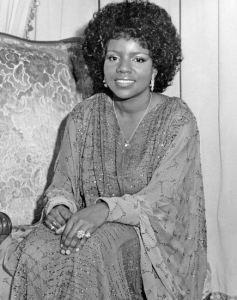
Gloria Gaynor’s Legacy
Gloria Gaynor could never have known, while recording the song, just how many lives it would touch.
She was making music during a period when disco dominated dance floors, and the industry was focused on the next hit.
But she ended up with something that outlasted the era.
The song became part of her identity as a performer. It followed her across decades, introducing her to new audiences and giving longtime fans a reason to return to her music.
And that is a rare achievement.
Many songs become popular for a season.
A much smaller number become attached to people’s personal memories, their struggles, and their victories.
This one did all three.
The Anthem That Refuses to Die
More than four decades later, the song still fills dance floors.
People still recognize it within seconds.
They still sing the chorus together.
And when the music rises, the message remains as powerful as ever.
You may have been hurt.
You may have lost something important.
You may have reached a point when starting over seems impossible.
But your story isn’t finished.
Gloria Gaynor’s song began as one track on a record, and it became an anthem for millions of people who needed to hear that message.
Sometimes, the song nobody expects to become a hit ends up being the one the world remembers.
And sometimes, the words that help millions of people survive are the ones that remind them they can stand on their own.