
Old School Music
They Never Expected Her to Last. Then She Stayed for 40 Years.
When the news broke in the summer of 1939 that a thirty-one-year-old Black woman had just become a judge, plenty of people assumed it wouldn’t mean much. She was young. She was a Black woman in a profession that was, at the time, overwhelmingly white and male. Some viewed the appointment as symbolism, a political gesture that would fade once the photographers packed up. Others quietly wondered how long she would last on the bench. They could not have been more wrong. Her name was Jane Bolin, and she was about to spend the next forty years proving exactly how wrong those assumptions were. Long before that summer day, Bolin had spent her whole life being told, in a hundred small ways, where she supposedly did not belong. She grew up in Poughkeepsie, New York, the daughter of Gaius Bolin, a respected lawyer, and as a girl she loved lingering in her father’s law office among his leather-bound books. But the same magazines in that house showed her photographs of racial violence, and she absorbed early both a love of the law and a deep awareness of injustice. When she set her sights on becoming a lawyer, the discouragement was immediate. A college adviser at Wellesley reportedly told her that a Black woman had little future in law and should reconsider. She went anyway. Then she applied to Yale Law School and, in 1931, became the first Black woman to earn a law degree from Yale — one of only a small number of women in her class and often surrounded by people who did not expect her to succeed. When she finished, New York law firms turned her away. So she practiced with her father and later with her husband, and kept moving forward. She became the first Black woman to join the New York City Bar Association, the first to work in the city’s Law Department, and in 1937 became the first Black woman to serve as an assistant corporation counsel for New York. She even ran for the state assembly in 1936. She lost that race, but by then doors that had once seemed firmly closed were beginning, slowly, to open.
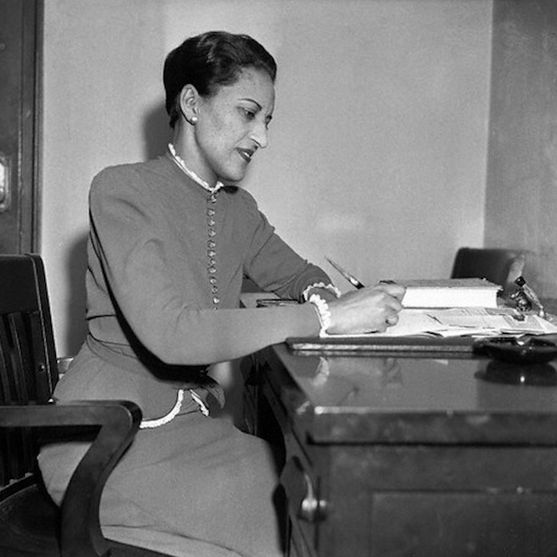
Here is what most people miss about the day everything changed. In July 1939, Bolin was asked to appear before Mayor Fiorello La Guardia. She and her husband were summoned to meet him at the New York World’s Fair without being told exactly why. She had no idea what the meeting was about and, by some accounts, wondered whether she had done something wrong. Instead, in front of a crowd and members of the press, La Guardia appointed her a judge of the city’s Domestic Relations Court. In an instant, Jane Bolin became the first Black woman judge in the United States, and the news spread far beyond New York. The publicity was extraordinary, but Bolin understood something the headlines didn’t: a symbolic first changes little on its own. What matters is what you do once the cameras leave. For the next four decades, she did the quiet, demanding work of changing a system from the inside. From the bench of what would later become Family Court, she challenged forms of everyday discrimination that rarely made headlines but could shape children’s lives. She worked to end the practice of assigning probation officers according to the race of the families involved. She pushed against racial segregation in the child-placement system, insisting that publicly funded childcare agencies serve children without discrimination. She worked to ensure that poor children and Black children appearing in her courtroom received the same consideration and access to services as anyone else. She also helped establish a racially integrated treatment center for boys who needed specialized support.
For twenty of those years, she was the only Black woman judge in the United States. There was no other woman on an American bench who shared her particular experience. She was reappointed by three different New York City mayors and remained on the bench until 1979, when she was required to retire at seventy. She never seemed particularly interested in the attention attached to being a barrier-breaker. Years later, when people emphasized her historic status, she reportedly brushed it aside, explaining that others made more of being first than she did. For Bolin, the work mattered more than the distinction. She was especially concerned with children and families and believed that helping a child was more important than settling disputes over money between adults. That was the heart of her career. While others debated whether a Black woman truly belonged on the bench, Jane Bolin simply sat there and demonstrated, case after case and year after year, that justice could be strengthened by having people in the legal system who understood exclusion from personal experience.
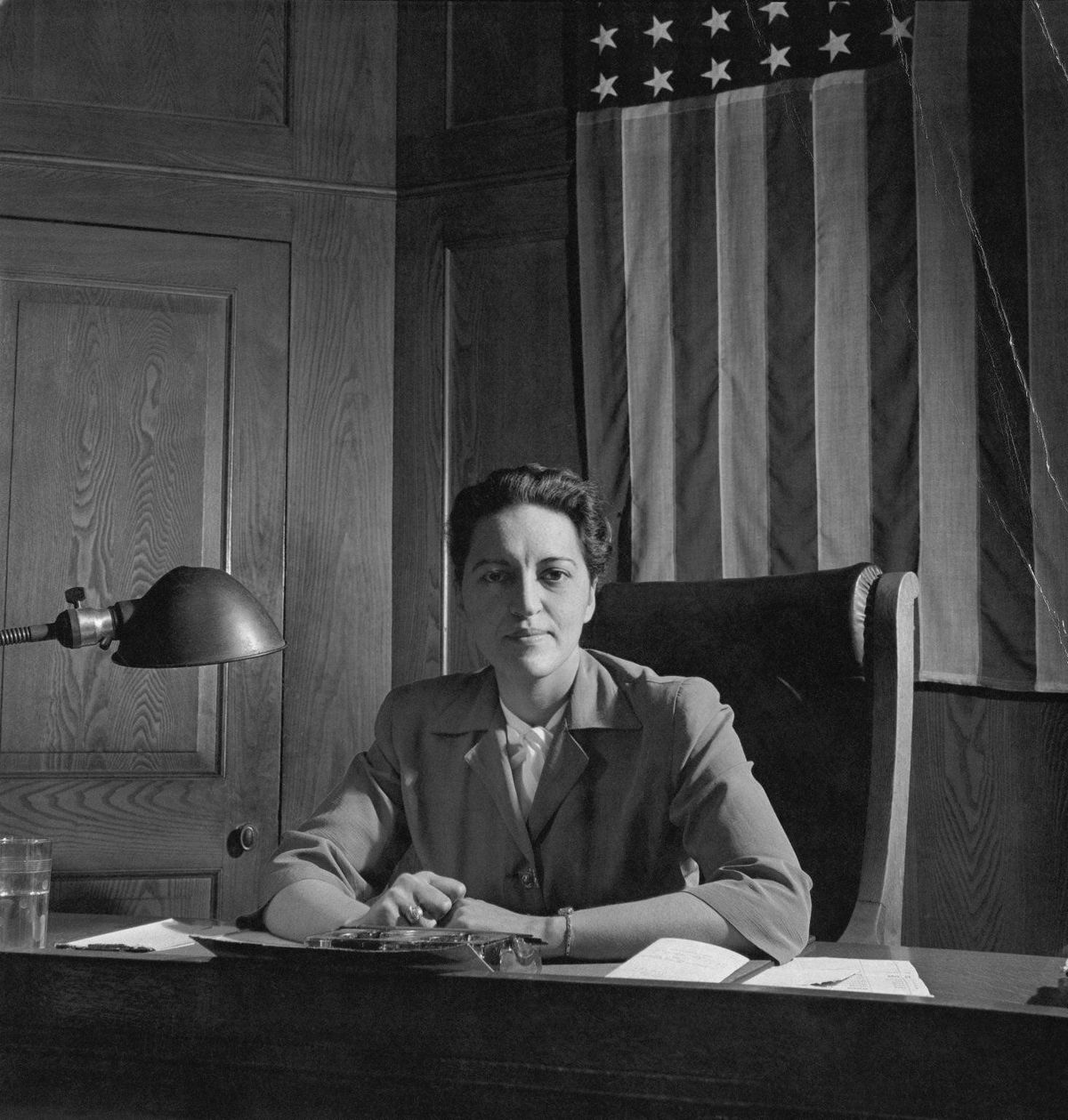
History remembers her for the door she opened in 1939. But her real achievement was harder and quieter than any single first. She helped create a fairer system for the children and families who came before her, while also showing generations of young lawyers that a place once considered impossible could become theirs. She didn’t just take a seat that had never been held by a Black woman. She spent forty years making that seat mean something.