
Old School Music
The Story Behind “Stand by Me” — A Song That Still Brings People Together
Some songs remind us of a place. Others remind us of a person. And then there are songs that remind us of the people who stayed beside us when life became difficult.
In 1961, a singer with a deep, unforgettable voice released a song built around one simple request: when the world gets dark, when fear takes over, and when everything seems uncertain, please stay with me.
It wasn’t a complicated message. It didn’t need to be.
More than six decades later, that song continues to bring people together. It has been played at weddings, remembered by generations, featured in films, and sung by people who may have lived completely different lives but understood exactly what its words meant.
The song was called “Stand by Me,” and the voice belonged to Ben E. King.
But the story behind this timeless classic begins before the recording that made it famous.
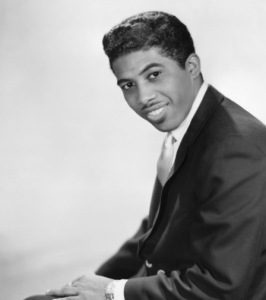
A Singer Finding His Own Voice
Ben E. King was born Benjamin Earl Nelson on September 28, 1938, in Henderson, North Carolina. He grew up surrounded by the sounds of gospel and rhythm and blues, musical traditions that would later become important parts of his own style.
As a young man, King moved into the world of professional music. He became the lead singer of the Drifters, a group that was already making its mark with memorable recordings and smooth vocal harmonies.
With King on lead vocals, the group recorded songs including “There Goes My Baby” and “Save the Last Dance for Me.”
His voice had something special about it. It was warm but powerful, gentle without sounding weak, and capable of carrying deep emotion without needing to shout.
Yet King eventually began pursuing a solo career. He had the voice, the experience, and the ambition to stand on his own.
What he needed was a song that could show the world what he was capable of.
He would soon find it.
The Inspiration Behind the Song
“Stand by Me” was written by Ben E. King, Jerry Leiber, and Mike Stoller.
Leiber and Stoller were among the most influential songwriting and production teams of their era. They had already helped shape American popular music with songs for artists such as Elvis Presley and the Coasters.
The song’s roots reached back to gospel music, particularly the spiritual tradition represented by the hymn “Lord Stand by Me,” associated with Charles Albert Tindley.
That connection matters because the feeling at the heart of the song was already familiar to generations of listeners. The idea of asking for strength, companionship, and reassurance in difficult times had long been part of gospel music.
King helped bring that feeling into a secular love song that could speak to almost anyone.
The lyrics describe a world that seems to be falling apart. Darkness surrounds the singer. The earth itself appears to be shifting beneath his feet.
But there is one thing that makes the fear easier to face: the presence of someone who refuses to leave.
The song never promises that life will be easy. It doesn’t pretend that fear and uncertainty can simply disappear.
Instead, it makes a quieter promise. Whatever happens, we don’t have to face it alone.
That was the heart of its appeal.
A Sound You Could Recognize in Seconds
From the opening notes, “Stand by Me” has a sound that is almost impossible to forget.
The recording is built around a distinctive bass line, played by Lloyd Trotman, that gives the song its steady, rolling pulse. The rhythm feels calm and dependable, almost like a heartbeat.
The arrangement gradually fills out around King’s voice, with restrained instrumentation and backing vocals supporting the central melody.
Nothing feels unnecessary.
The bass line carries the song forward. The rhythm section gives it movement. And King’s voice delivers the emotion with remarkable control.
He doesn’t sound as though he is trying to impress anyone. He sounds as though he is speaking directly to someone he cannot bear to lose.
That is what makes the performance so effective.
The song is simple enough to remember after hearing it once, but its emotional meaning grows the longer you listen.
And when the refrain returns, it feels less like a demand and more like a promise between two people.
The Year Was 1961
When “Stand by Me” was released in 1961, America was entering a decade that would bring enormous changes.
The country was experiencing new music, changing social attitudes, and the beginning of a turbulent period in modern history. Families gathered around radios and televisions. Young people were discovering new artists, while older generations held on to the songs that had become part of their lives.
Against that backdrop, King’s recording offered something timeless.
It didn’t depend on a political moment or a passing trend. It didn’t require listeners to understand a particular event.
It spoke about love, loyalty, fear, and the need for human connection.
The record became a major hit in the United States, reaching No. 4 on the Billboard Hot 100.
For Ben E. King, it became his signature song. For listeners, it became something even more enduring: a musical expression of a feeling that can be difficult to put into words.
Think about how many times you may have heard it over the years.
Perhaps it played on the radio during a long drive. Perhaps someone played it at a wedding. Perhaps it brings back memories of a person who was there for you when you needed them most.
The song leaves room for all those memories.
It doesn’t tell you who you should think about. It simply gives you the music and lets your own life fill in the meaning.
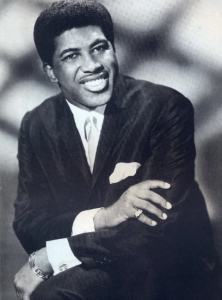
Why the Song Never Really Aged
Many popular songs belong strongly to the era in which they were recorded. Their sounds, fashions, and references can take listeners straight back to a particular decade.
“Stand by Me” does that, too. Its original recording carries the unmistakable warmth of early-1960s soul.
But the message goes far beyond its time.
Every generation understands what it means to need someone. Children need reassurance. Couples face difficult seasons. Friends help each other through loss. Families hold together when circumstances become uncertain.
And sometimes the person who stands beside us is not the person we expected.
That is why the song can feel personal even to someone who wasn’t born when it was released.
Its message isn’t restricted to romance. It can be about a parent, a lifelong friend, a spouse, a brother or sister, or anyone who made a difficult period easier simply by being there.
The song also avoids making its message complicated. It doesn’t offer a grand speech about courage. It doesn’t promise that every problem will be solved.
It asks for companionship.
Sometimes that is enough.
A New Generation Discovers an Old Classic
The song’s life didn’t end with its original chart success.
In 1986, “Stand by Me” found a new audience when it became the title song of the film Stand by Me, directed by Rob Reiner and based on a story by Stephen King.
The movie follows four boys on a journey that becomes a story about friendship, growing up, and the memories that remain long after childhood ends.
The song was a natural fit.
Its theme of loyalty and companionship matched the film’s emotional center, helping introduce the recording to people who had never experienced it during its original release.
The renewed attention helped the song return to the charts and reach a new generation of listeners.
For some, it became a favorite from the 1960s. For others, it became the song they associated with the film.
And for many people, it became both.
That is a rare achievement for any recording. A song can survive its own era, find a new cultural home, and still sound meaningful to people encountering it for the first time.
“Stand by Me” managed to do exactly that.
The Meaning Behind Those Simple Words
Listen closely to the song, and one thing becomes clear: its message isn’t really about having a perfect life.
The singer imagines frightening possibilities. The world may change. The ground may feel unstable. Darkness may arrive.
Yet he remains calm because he is not asking to be protected from every hardship. He is asking not to be abandoned while facing it.
There is a difference.
Real relationships are not built on the promise that nothing bad will ever happen. They are built on the knowledge that when something does happen, someone will make the effort to stay.
That kind of loyalty can be quiet. It might mean sitting beside someone in a hospital waiting room. It might mean answering a late-night phone call. It might mean helping a friend rebuild after a setback, or simply listening when someone has no idea what to do next.
Most of those moments never become famous stories.
But they can change a person’s life.
That is what gives this song its lasting power. It celebrates the kind of love that doesn’t need to make grand announcements. It just needs to be there when it matters.
And perhaps that is why the song still feels so honest after all these years.
A Legacy That Continues
Ben E. King passed away on April 30, 2015, at the age of 76. But his best-known recording continues to travel through the world, carried by radio stations, films, family celebrations, and the memories of millions of listeners.
“Stand by Me” has been covered by numerous artists and performed in countless settings. Its melody is instantly recognizable, and its central message remains as direct as ever.
There are songs that make us remember the past. There are songs that make us dance. There are songs that remind us of the people we loved when we were young.
And then there are songs that remind us what matters, no matter how much time passes.
This is one of them.
Because eventually, almost everyone discovers that strength doesn’t always mean standing alone. Sometimes strength means admitting that we need somebody. Sometimes it means being the person who stays when everyone else walks away.
And sometimes, all it takes to say something that important is a voice, a steady bass line, and a few simple words.
Stand by me.
So, as you listen again, think about the people who have stood beside you throughout your life.
Who was there when things went wrong? Who helped you keep going? And whose presence made the hardest days a little easier?
Those are the people this song brings to mind.
And that is why, more than sixty years after its release, it still sounds like a promise worth keeping.