Old School Music
The Song That Turned a Simple Sign Into a Symbol
He was coming home after years away, but he had no idea whether the woman he loved still wanted him.
So he gave her one simple way to answer.
If she wanted him back, she was supposed to leave a yellow ribbon on an old oak tree.
What happened when he finally came home became the story behind one of the most recognizable songs of the 1970s.
The Story Behind the Song
The songwriters were Irwin Levine and L. Russell Brown.
They registered the song in 1972, and the story they turned into the lyrics centered on a man returning home after spending three years in prison.
He had written to the woman he loved before his release.
He didn’t know whether she would still accept him.
So he gave her a choice.
If she wanted him back, she could tie a yellow ribbon around an old oak tree.
If there was no ribbon, he would understand and continue on with his life.
It was a simple idea.
But the emotional tension was enormous.
The man was about to find out whether his entire future was waiting for him at the end of the journey.
The Moment Everyone Was Waiting For
In the song, the man is traveling home on a bus.
As they get closer to his hometown, he becomes increasingly nervous.
He can’t bring himself to look.
What if there is no ribbon?
What if she has moved on?
What if the years apart changed everything?
So he asks the other passengers to look for him.
Then they see the tree.
And suddenly, the answer is impossible to miss.
There isn’t just one ribbon.
There are hundreds.
The woman has made her decision.
She wants him home.
That simple image became the emotional center of the entire song.
But Was the Story Actually True?
This is where the history gets fascinating.
For years, people debated where the story came from.
One widely circulated version involved a man returning from prison and seeing a yellow ribbon waiting for him.
Another version connected the story to an older tradition involving soldiers returning home.
And a New York newspaper columnist named Pete Hamill published a very similar story called “Going Home” in 1971.
That led to a copyright dispute after the song became a huge success.
But researchers eventually found older versions of the same basic story in folklore collections.
Hamill eventually dropped his lawsuit.
The Library of Congress concluded that the story existed in oral tradition before the song and wasn’t simply created by one newspaper article.
So the exact original source remains complicated.
But the song gave the story something it had never had before.
A melody millions of people could remember.
Then Tony Orlando Heard It
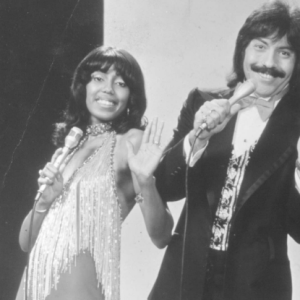
The recording that made the song famous came from Dawn featuring Tony Orlando.
Orlando had experienced a strange career path before this.
He had enjoyed success earlier in the 1960s, but by the end of that decade he had largely stepped away from performing and was working in music publishing.
Then came the song that changed everything.
Released in February 1973, the recording immediately began climbing the charts.
By April, it had reached No. 1 on the Billboard Hot 100.
It stayed there for four weeks.
It also reached No. 1 in the United Kingdom.
Suddenly, the story of the yellow ribbon was everywhere.
It Became Much Bigger Than a Hit Record
The song’s success helped transform the yellow ribbon into a widely recognized symbol of welcoming someone home.
That became particularly important years later.
In 1981, Americans were putting yellow ribbons around homes and other places to welcome the U.S. hostages being released from Iran.
The Library of Congress investigated the origins of the symbol and found that Penelope Laingen, whose husband was among those held hostage, had specifically cited the song as one of her inspirations for using yellow ribbons.
So a pop song from 1973 had helped turn an old story into a recognizable national symbol.
The meaning had expanded far beyond the original lyrics.
A yellow ribbon could represent waiting.
Hope.
Loyalty.
And the desire to see someone come home.
The Song Everyone Knew
That’s part of why the record connected so strongly with listeners.
The story was incredibly easy to understand.
Someone had been gone.
Someone was waiting.
There was uncertainty.
And there was one final sign that could change everything.
You didn’t need to know the characters personally.
You could imagine them.
You could imagine waiting for someone you loved.
You could imagine being the person on that bus, afraid to look.
And you could imagine the relief of seeing that ribbon.
That emotional simplicity made the song unforgettable.
More Than 50 Years Later
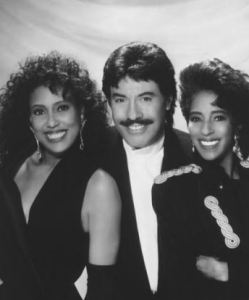
The song was eventually recorded by numerous artists, but the version by Dawn featuring Tony Orlando remains the recording most closely associated with the story.
The Library of Congress notes that the song was recorded by around 30 different vocalists during the late 1970s and sold millions of copies.
And the yellow ribbon itself became part of American culture in ways that went far beyond music.
That’s an extraordinary legacy for a song built around one very simple question:
Do you still want me to come home?
One ribbon would have been enough.
Instead, the story gave us a tree covered in them.
And more than five decades later, people who grew up hearing the song can still picture that moment before the bus reaches the tree.
The moment when nobody knows what they’re going to see.
Then the answer appears.
And everything changes.