
Old School Music
The Song That Revealed the Pain Hiding Behind a Strong Face
SCROLL DOWN FOR THE FULL SONG
Sometimes, the people who seem the strongest are the ones carrying the heaviest burdens.
They walk into a room with a straight face. They answer when someone asks how they are doing. They laugh when the moment calls for it. And when life becomes difficult, they keep moving as though nothing is wrong.
But what happens when nobody sees what is happening beneath the surface?
In 1971, one of rock music’s most memorable songs explored that very question. It began with a quiet, almost haunting melody before building into a powerful expression of frustration, loneliness, and emotions that had been held inside for far too long.
The recording came from a British rock band known for its explosive performances and ambitious music. But this time, the song’s greatest strength was its vulnerability.
The title was “Behind Blue Eyes,” and the band was The Who.
Written by Pete Townshend and brought to life by Roger Daltrey’s unmistakable voice, the song became one of the band’s most enduring recordings.
Its story, however, goes deeper than the words might suggest.
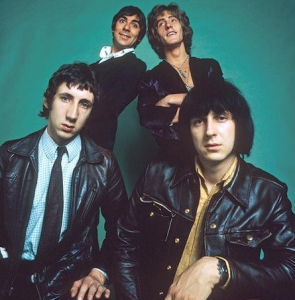
A Band That Refused to Stand Still
By the early 1970s, The Who had already established themselves as one of the most exciting rock bands in the world.
The group featured Roger Daltrey on lead vocals, Pete Townshend on guitar and songwriting, John Entwistle on bass, and Keith Moon on drums.
They had built their reputation through energetic performances, powerful guitars, and a willingness to push rock music beyond familiar boundaries.
Songs such as “My Generation” had captured the frustration of young people who felt misunderstood by the older generation. Their rock opera Tommy, released in 1969, had demonstrated that a rock album could tell a much larger story.
But Townshend was thinking about something even more ambitious.
He wanted to explore how music, technology, and human connection might come together in a new kind of musical project.
That idea eventually developed into Lifehouse, an ambitious concept that never reached its original intended form.
Although the project became famous for its unfinished story, some of the songs created for it became major recordings in The Who’s catalogue.
“Behind Blue Eyes” was one of them.
The Story Behind the Song
Pete Townshend wrote “Behind Blue Eyes” for the Lifehouse project.
The song was connected to the fictional world he was developing, rather than being simply a diary entry about his own life.
Its lyrics explore the inner world of someone who feels isolated, misunderstood, and trapped by the role they have been given.
The speaker describes himself as someone others might see as a bad man. Yet beneath that outward identity lies sadness, anger, and a desperate wish to be understood.
That contrast is what gives the song its emotional force.
We are used to judging people by what we see. Someone who appears angry might be hurting. Someone who seems distant might be struggling to trust others. Someone who always looks confident might be terrified of showing weakness.
The song asks listeners to consider what they cannot see.
It does not necessarily excuse the speaker’s behavior. Instead, it reveals the complicated emotions behind it.
And that makes the song more interesting than a simple story about a misunderstood person.
It forces us to consider how much of another person’s life remains hidden from view.
Roger Daltrey’s Unforgettable Voice
The original recording appeared on The Who’s 1971 album Who’s Next, one of the most celebrated rock albums of the decade.
Roger Daltrey’s vocal performance is central to the song’s impact.
At the beginning, his voice is controlled and restrained. The music feels intimate, with acoustic guitar creating a quieter atmosphere than listeners might expect from a band famous for its volume.
Daltrey does not immediately unleash the full power of his voice. Instead, he allows the tension to build.
The lyrics feel like thoughts that have been held back for too long. There is frustration in the performance, but also a sense of exhaustion.
As the song progresses, the emotional pressure becomes harder to contain.
Then the arrangement shifts.
The music grows louder, the rhythm becomes more forceful, and the guitars bring the tension to the surface. The quiet reflection gives way to a burst of raw rock energy.
That contrast is one of the recording’s defining features.
The song begins like a confession and ends like an emotional release.
It is not simply loud for the sake of being loud. The musical explosion reflects the feelings that have been building throughout the performance.
Few classic rock songs make that transition so memorable.
The Quiet Beginning and the Explosive Finish
One reason “Behind Blue Eyes” continues to stand out is the way its arrangement tells part of the story.
The acoustic opening creates a sense of loneliness. It gives the listener space to focus on the words and the emotional tension behind them.
The performance feels almost private, as though the singer is revealing something he would never say in a crowded room.
Then comes the powerful change in direction.
The drums, electric guitars, and fuller arrangement transform the atmosphere. The song becomes more urgent, expressing the anger and frustration that were present beneath the quieter opening.
That contrast captures a familiar human experience.
People often keep their emotions under control because they feel they have no other choice. They go to work. They look after their families. They meet their responsibilities. They continue through difficult circumstances without telling anyone how much pressure they are under.
But feelings do not disappear simply because they remain unspoken.
Eventually, something has to give.
The song’s structure makes that emotional shift audible. You can hear the difference between the face someone presents to the world and the turmoil they carry inside.
That is what makes the recording feel so powerful even after repeated listens.
What Does It Mean to Hide Behind Blue Eyes?
The title itself creates an image that is easy to remember.
Eyes are often described as windows into a person’s emotions. We look at someone’s expression and try to understand what they are thinking. We search for signs of sadness, happiness, fear, or affection.
But the song challenges the idea that we can understand someone simply by looking at them.
A person’s face can reveal something, but it can also hide a great deal.
The central character feels that nobody truly understands what it is like to be him. He is caught between the way others see him and the feelings he experiences privately.
That tension gives the song its darker edge.
It also explains why listeners can connect with it in different ways.
Some hear a song about loneliness. Others hear anger, frustration, or the burden of being misunderstood. Some simply recognize the feeling of putting on a brave face when life is difficult.
The song does not provide an easy answer.
Instead, it gives those feelings a voice.
And sometimes, that is what music does best. It expresses something people have struggled to explain for years, allowing them to recognize their own experiences in somebody else’s words.
A Defining Moment on Who’s Next
“Behind Blue Eyes” became part of Who’s Next, released in 1971.
The album also included “Baba O’Riley,” “Bargain,” and “Won’t Get Fooled Again.” Together, these recordings helped establish the album as one of The Who’s landmark achievements.
The band combined powerful rock performances with thoughtful songwriting and innovative studio techniques.
Yet “Behind Blue Eyes” offered something different from the album’s more explosive moments.
It demonstrated that The Who could create tension without immediately turning up the volume. They could make a song feel powerful through restraint, vulnerability, and a carefully constructed emotional journey.
That balance helped the track stand apart.
It became a favorite among listeners who appreciated the band’s harder rock sound, while also reaching people drawn to its more reflective side.
The recording showed that rock music could be aggressive and vulnerable at the same time.
And it helped cement the song’s place among the band’s most recognizable works.
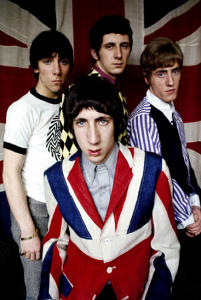
Why the Song Still Feels Relevant
More than fifty years later, “Behind Blue Eyes” continues to resonate because the emotions at its center have not disappeared.
People still feel misunderstood. They still hide their worries. They still struggle with the difference between who they are and who the world expects them to be.
Life can place people in difficult roles. Someone might feel pressure to be the dependable one in the family. Another might believe they cannot admit to struggling because everyone relies on them.
Others may have spent years hiding their emotions because they learned that showing vulnerability would invite judgment.
The song speaks to that tension.
But its message also comes with a reminder: understanding someone else’s pain does not mean we must accept every action they take. People can be hurting and still be responsible for how they treat others.
That complexity is part of what makes the song endure.
It encourages listeners to look beyond appearances without pretending that every problem has a simple explanation.
Sometimes, the person in front of us is carrying more than we realize.
And sometimes, the person hiding behind a strong face is someone we know very well.
The Legacy of a Classic Rock Confession
Pete Townshend’s songwriting helped make The Who one of the most influential bands of their generation. Roger Daltrey’s performance gave this particular song its emotional weight, while the band’s musicianship transformed its quiet beginning into a dramatic rock recording.
Together, they created something that remains instantly recognizable.
“Behind Blue Eyes” has been revisited by later artists, including Limp Bizkit, whose version introduced the song to a new audience in the early 2000s.
But the original recording retains a distinctive atmosphere.
It carries the sound of early-1970s rock: expressive vocals, memorable guitar work, and a willingness to let a song become both personal and powerful.
Most importantly, it leaves listeners with a question that remains difficult to answer.
How well can we ever know another person?
We see their expressions. We hear their words. We watch how they behave. But there may still be a part of their story that they have never shared.
Perhaps they are afraid of being judged. Perhaps they do not know how to explain what they feel. Or perhaps they have simply become so accustomed to hiding their struggles that they no longer know how to stop.
The song does not ask us to guess everyone’s secrets.
It asks us to remember that appearances rarely tell the whole story.
Sometimes, the Strongest Faces Hide the Hardest Battles
Think about the people you have known throughout your life.
The friend who always made everyone laugh, even during difficult times. The parent who worked tirelessly without talking about the pressure they carried. The person who seemed completely confident but privately worried about everything.
Perhaps you have been that person yourself.
You smiled when you felt exhausted. You told everyone you were fine because explaining the truth felt too difficult. You carried on because you believed you had to.
That is part of what makes “Behind Blue Eyes” so powerful.
It gives a voice to the feelings that often remain unspoken. It begins quietly, allowing those emotions to surface, before releasing them through one of classic rock’s most memorable musical builds.
The song reminds us that people are complicated. They can be strong and vulnerable, confident and uncertain, calm on the outside and struggling within.
We cannot always know what someone is going through.
But we can listen a little more carefully. We can be slower to judge. We can make room for honest conversations instead of assuming that everything is fine simply because someone says it is.
And perhaps we can learn to be a little more honest about our own struggles, too.
Because nobody should have to pretend to be invulnerable every day of their life.
When those opening guitar notes play, remember that the song is not only about what lies behind someone’s eyes.
It is about everything they may be trying to hide.
Sometimes, the face the world sees is only a small part of the story.