
Old School Music
Released in 1976, when life felt a little slower and every song carried a memory. This timeless classic still takes millions back to the days they wish they could relive.
Some songs don’t need to be loud to become unforgettable.
They simply arrive at the right moment and stay with us for the rest of our lives.
Released in 1976, “I’d Really Love to See You Tonight” became one of the defining soft rock songs of the decade. With its gentle melody, relaxed vocals, and unforgettable chorus, it captured the feeling of reconnecting with someone after time had passed. Nearly fifty years later, it continues to bring back memories of summer evenings, first loves, and moments people thought they had forgotten.
Interestingly, the song wasn’t written by either member of the duo.
It was written by songwriter Parker McGee, who wanted to tell a simple story about two people reconnecting without making unrealistic promises or dramatic declarations of love. Instead of writing about forever, he focused on something much more believable—a quiet invitation to spend time together and see where the conversation might lead.
That honesty became the song’s greatest strength.
Many listeners misunderstood one of its most famous lines:
“I’m not talking ’bout movin’ in…”
Rather than being cold or distant, the lyric simply reassured the other person that there was no pressure or expectation. It was about enjoying each other’s company, one evening at a time.
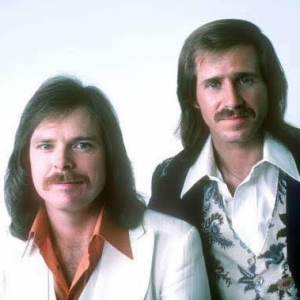
When England Dan Seals and John Ford Coley first heard the song, they immediately recognized its charm.
Their voices blended effortlessly, creating a warm, natural harmony that perfectly matched the relaxed mood of the lyrics. There was nothing flashy about the performance. It felt genuine, comfortable, and familiar—like a conversation between two old friends.
The recording reflected that same simplicity.
Soft acoustic guitar, gentle electric piano, smooth bass, light percussion, and delicate harmonies created an atmosphere that was calm and inviting. Every note served the song, allowing its melody to unfold naturally without ever feeling rushed.
When “I’d Really Love to See You Tonight” was released in 1976, it quickly climbed the charts, reaching the Top 5 on the Billboard Hot 100. It became the duo’s biggest hit and one of the signature songs of the soft rock era. Radio stations played it constantly, and before long, it had become part of everyday life for millions of Americans.
But the song’s greatest achievement wasn’t its chart success.
It became a memory.
People associated it with first dates, late-night drives, beach vacations, family gatherings, and quiet evenings spent with someone special. For many listeners, hearing those opening notes instantly transports them back to another chapter of their lives.
Over the decades, “I’d Really Love to See You Tonight” has remained a favorite on classic hits stations because it captures something timeless—the comfort of human connection. It reminds us that not every meaningful relationship begins with grand speeches or dramatic moments. Sometimes, it begins with a simple invitation to spend a little time together.
Today, nearly fifty years after its release, the song continues to prove that the most memorable music doesn’t always shout to be heard. Sometimes it simply speaks softly, finds a place in our hearts, and stays there forever.