
Old School Music
Released at the end of the 1960s, this familiar song was slowed down, softened, and turned inward. In a world getting louder, it proved that gentleness could leave the deepest mark.
In the long shadow of The Beatles, many artists tried — and failed — to reinterpret their songs without losing the original magic.
But in 1969, The Carpenters did something unexpected.
They didn’t try to compete with the raw urgency of “Ticket to Ride.” Instead, they slowed it down, softened its edges, and transformed it into something quietly haunting.
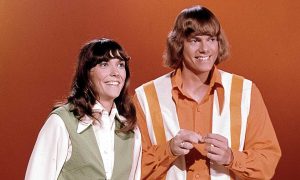
Where the original version pulsed with tension and emotional confusion, The Carpenters’ take felt like acceptance. A goodbye already spoken. A door gently closing rather than slammed shut.
At the center of it all was Karen Carpenter’s voice.
Warm, restrained, and unmistakably human, her delivery turned the song inward. Every line sounded less like accusation and more like reflection — as if the pain had already settled, leaving only memory behind.
The arrangement followed the same philosophy. Strings replaced sharp guitars. Space replaced urgency. Silence became as important as sound. The result was a version that felt suspended in time, floating somewhere between heartbreak and calm.
For The Carpenters, this cover marked an early moment of artistic confidence. They weren’t just performers with a pleasant sound — they were interpreters, capable of reshaping familiar material into something emotionally new.
And audiences felt it.
“Ticket to Ride” became their first Top 40 hit in the United States, quietly announcing the arrival of a duo whose greatest strength was understatement. In an era moving toward louder, heavier rock, they chose vulnerability instead.
Over the decades, this version has continued to resonate — not because it’s dramatic, but because it’s honest. It understands that some goodbyes aren’t explosive. Some just fade, leaving a soft ache that lingers longer than anger ever could.
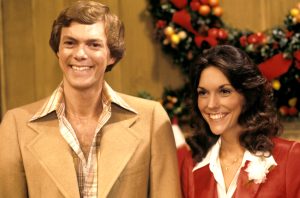
Today, listening to The Carpenters’ “Ticket to Ride” feels like revisiting a moment when pop music allowed itself to be gentle.
And in that gentleness, it found a different kind of truth.